

In the ever-evolving world of education and learning, where details moves abundantly and access to understanding is just a click away, student-driven encyclopedias are becoming a vibrant device in the discovering procedure.
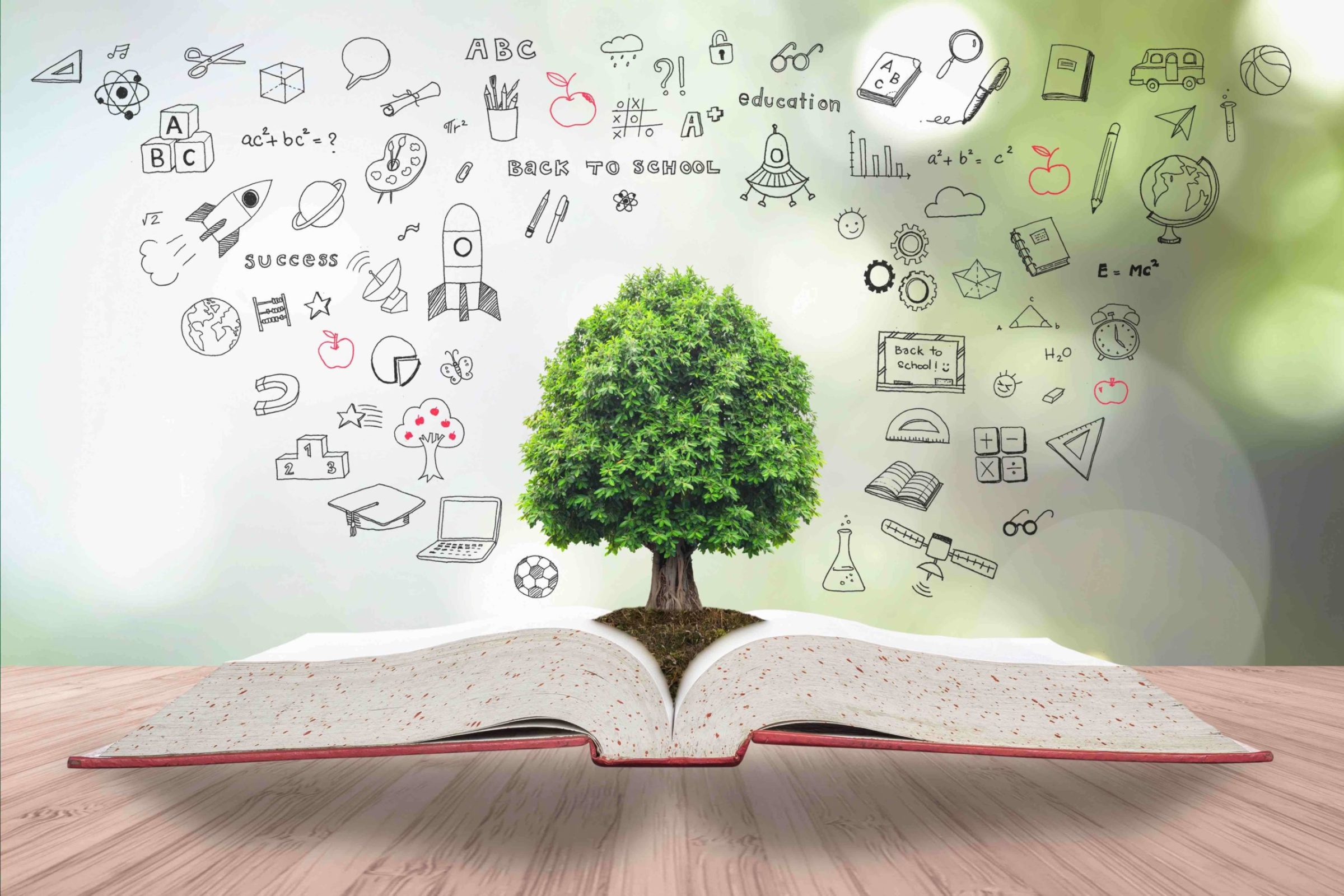
These platforms not only supply pupils with a database of details however also motivate them to add, modify, and curate web content, cultivating a collective and interactive learning environment.
As instructional standards shift in the direction of more participatory and inclusive versions, the idea of student-driven encyclopedias personifies this improvement. These systems empower students to end up being energetic individuals in understanding development, linking the void in between traditional book discovering and modern digital resources.
The Concept of Student-Driven Encyclopedias
Student-driven encyclopedias are digital platforms where students jointly collect, confirm, and share info on a large range of topics. Unlike traditional encyclopedias, which are often written by specialists, these systems leverage the collective efforts of students to develop a thorough body of understanding.
At their core, student-driven encyclopedias are made to cultivate vital reasoning, research abilities, and digital proficiency amongst pupils. By engaging in the process of material creation, trainees discover to navigate and evaluate information critically, skills that are vital in today’s q&a resource for students information-rich culture.
Additionally, these platforms act as an area for pupils to explore their interests and share their proficiency. This democratic approach to expertise production ensures that a varied series of point of views and voices are represented, improving the discovering experience for all participants.
- Students gain hands-on experience in research study and material production.
- Urges partnership and peer communication.
- Advertises a much deeper understanding of subject matter.
- Fosters inclusivity and diversity in knowledge depiction.
In essence, student-driven encyclopedias change students from passive receivers of info right into energetic factors, instilling a sense of ownership and obligation in their academic trip.
Advantages of Student-Driven Encyclopedias
Among the major benefits of student-driven encyclopedias is the growth of important 21st-century abilities. As trainees participate in the process of material production, they sharpen their crucial reasoning, digital proficiency, and interaction abilities, all of which are vital in today’s interconnected world.
Additionally, these platforms encourage a joint knowing atmosphere, where students can work together to verify info, argument various viewpoints, and co-edit write-ups. This peer-to-peer communication not just enhances finding out outcomes yet also cultivates a sense of neighborhood and shared regard amongst trainees.
Additionally, student-driven encyclopedias use a system for showcasing student job. As trainees contribute to the encyclopedia, they construct a portfolio of their study and writing, which can be invaluable for more academic and expert pursuits.
Challenges and Limitations

Despite the numerous benefits, student-driven encyclopedias likewise encounter specific difficulties. Guaranteeing the precision and integrity of info is vital, as these platforms depend on payments from pupils that may not yet possess expert-level expertise.
- Maintaining material top quality and accuracy.
- Providing appropriate supervision and advice.
- Guaranteeing fair gain access to and inclusivity.
To alleviate these difficulties, many student-driven encyclopedias execute a system of checks and balances, where content is reviewed by instructors or experts before magazine. This ensures that the info presented is both accurate and reliable, maintaining the integrity of the platform.
The Future of Student-Driven Encyclopedias
As modern technology continues to breakthrough and the landscape of education develops, the capacity for student-driven encyclopedias is large. These platforms have the capacity to not only complement standard instructional resources but additionally redefine the way understanding is acquired and shared.
In the future, we may see student-driven encyclopedias incorporating more advanced innovations such as artificial intelligence and machine learning to improve material curation and personalization. Furthermore, they might expand past textual info to include multimedia web content, providing an extra immersive learning experience.
Encouraging the Future Generation
Student-driven encyclopedias hold the assurance of encouraging the future generation of students. By positioning trainees at the helm of expertise production, these platforms encourage lifelong learning, interest, and intellectual freedom.
To conclude, as academic systems remain to innovate, student-driven encyclopedias stand as a testimony to the power of cooperation and the value of trainee firm in the discovering process. By accepting these platforms, we unlock to a much more comprehensive, engaging, and dynamic instructional experience for all.
